Body: The Business Asset You’re Probably Not Maintaining
By Trent Lee — The CEO’s Sage
Part 2 of the Are You Building the Business at the Expense of Yourself? Series
Think about all the things you maintain in your business.
You service equipment. Update technology. Back up data. Maintain buildings. Review financials. Insure critical assets. Develop employees.
But what about the asset the business may depend on most?
You.
I’ve watched plenty of business owners sacrifice their own health in the name of growing the business.
There’s always a reason. An early meeting. A late flight. Customer dinner. Another deadline. Too much travel. Not enough time to exercise. Five hours of sleep because there’s simply too much to get done.
We would never intentionally operate an important piece of equipment that way and expect it to perform indefinitely.
Yet owners do it to themselves all the time.
Your Health Is a Business Issue
I’m not a doctor, and this isn’t intended to be another article telling you what diet to follow or how many days a week you should go to the gym.
My point is much simpler.
You need the physical capacity to lead.
That means moving your body regularly, maintaining strength and cardiovascular fitness, getting enough sleep, eating reasonably well, and paying attention to what your body is telling you.
It becomes increasingly important as we get older.
For an owner planning to transition their business five or ten years from now, health is actually part of the transition plan.
You might have a perfectly designed exit strategy for age 65.
Your body didn’t read the plan.
A major health event can accelerate that timeline overnight.
Know Your Numbers
I’m also a believer in establishing a baseline rather than waiting for something to go wrong.
One thing I encourage owners and executives to consider is an annual comprehensive executive physical. We’re relatively close to Mayo Clinic in Rochester, Minnesota, which offers this type of comprehensive evaluation, and similar programs are available through major health systems around the country.
Spend a day or two getting checked out. Establish the baseline. Understand your risk factors. Identify potential problems while they’re still potential problems.
Then pay attention throughout the year.
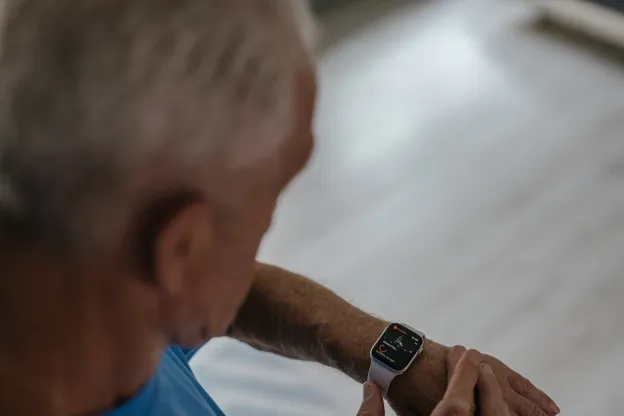
Today we have Fitbits, Apple Watches, sleep trackers, heart rate monitors, step counters, and more health information available on our wrists than most of us could have imagined twenty years ago.
Which leads to an obvious business analogy.
We wouldn’t run our businesses without a scorecard. Why would we run our bodies without one?
You don’t need 50 KPIs for your health any more than you need 50 KPIs for your company.
Know the handful that matter for you.
Then watch the trend.
Don’t Confuse Sacrifice With Commitment
There’s another issue I see among successful owners.
Sacrifice becomes a badge of honor.
“I only slept four hours last night.”
“I haven’t taken a day off in three weeks.”
“I’ve been on the road for twelve straight days.”
We sometimes say these things as though they’re evidence of commitment.
Occasionally, that’s what leadership requires. There are seasons when the business needs more from us.
But a temporary sprint and a permanent operating model are very different things.
If your business requires you to consistently sacrifice your health to keep it operating, something is wrong with the business model, the structure, your delegation, or perhaps your own behavior.
Being exhausted isn’t a leadership strategy.
Play the Long Game
Most of the owners I work with aren’t building something they intend to walk away from next Tuesday.
They’re playing a long game.
They want to grow the company, create value, develop their people, eventually transition the business, and hopefully enjoy what they’ve spent decades building.
That last part matters.
What’s the point of creating financial freedom at 65 if you spent the previous twenty years sacrificing the health necessary to enjoy it?
And there is a leadership example here too.
Just as employees watch whether you actually take vacation, they notice how you treat yourself.
Taking care of yourself isn’t selfish. It demonstrates that high performance and personal health don’t have to be competing priorities.
Final Thought
We spend a lot of time identifying and protecting the critical assets in our businesses.
Maybe it’s time we added ourselves to the list.
Move every day. Maintain your strength. Protect your sleep. Eat reasonably well. Get the physical. Know your numbers. Pay attention when something changes.
You don’t need to become a marathon runner or fitness fanatic.
You just need to recognize that your ability to lead tomorrow depends partly on how well you take care of yourself today.
You wouldn’t intentionally sacrifice a critical business asset to grow the business.
Don’t make an exception because that asset happens to be you.
Next in the series: Brain, Don’t Let Experience Become Autopilot.
About the Author
Trent Lee is a Vistage Chair, leading CEO peer groups, and helps business owners escape founder dependency and scale sustainable companies using the Value Builder System and strategic execution coaching.
Want to learn more about building a business that can execute, scale, and create long term value?
Visit www.compassleadershipadvisors.com
or connect on LinkedIn: https://www.linkedin.com/in/trentrlee/